
EaP Think Tank Network
All rights reserved European Union
Original Content
Europe’s Next Enlargement: What Berlin, Paris, and the Hague Really Think
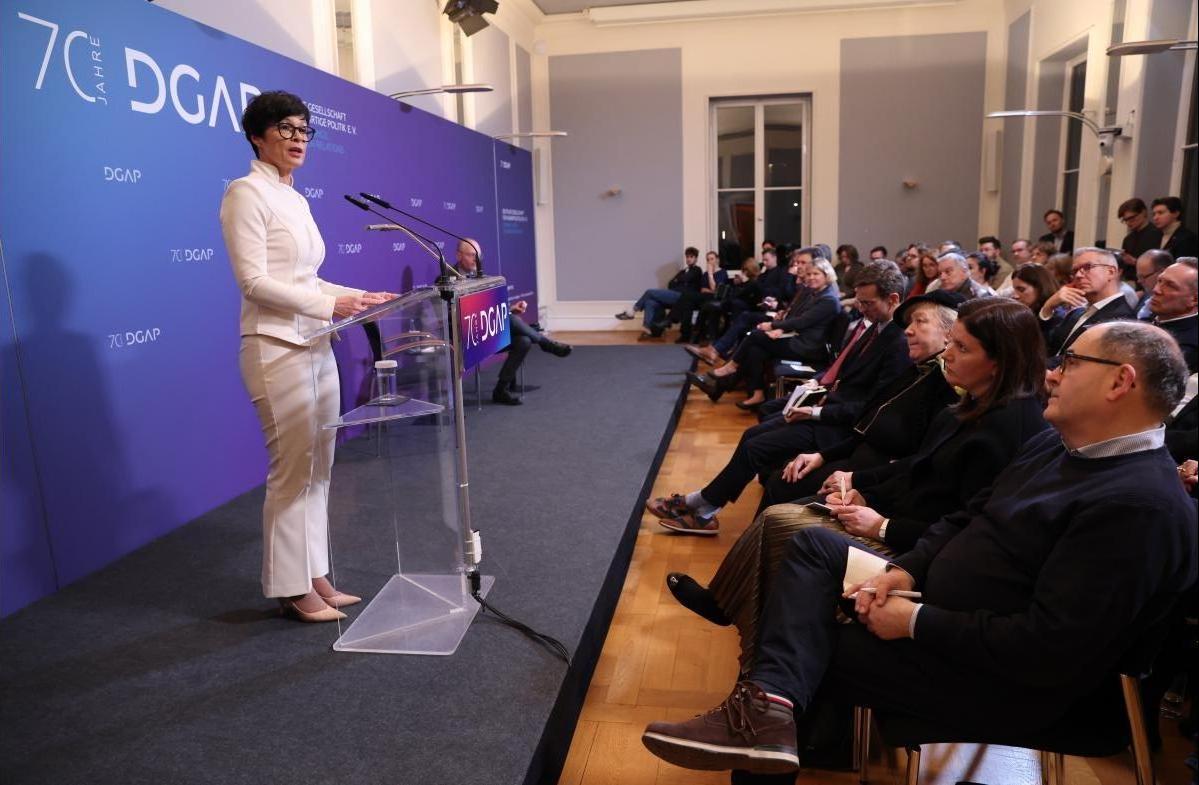
DGAP’s latest policy brief, Europe’s Next Enlargement: What Berlin, Paris, and The Hague Really Think, examines the current debate in Brussels over EU enlargement methodology, focusing on the perspectives of three key member states: Germany, France, and the Netherlands.
In this input, Nikola Xaviereff, project manager in DGAP’s Center for Order and Governance in Eastern Europe, Russia, and Central Asia, summarizes the brief’s key findings and offers an outlook on the future.
WHAT IS IT ABOUT: The EU’s enlargement promise to the Western Balkans, which was revived by Ukraine and is simultaneously a litmus test of the policy, is entering a critical phase. While Montenegro aims to finalize accession negotiations by the end of 2026, positioning itself as the next EU member, Ukraine and Moldova have set ambitious timelines to join the EU in the next few years. The European Commission seeks to accelerate negotiations and strengthen safeguards for the new members to reassure skeptical member states – also because Ukraine’s accession could potentially be linked to a peace deal. However, member states continue to resist any overhaul of enlargement policy. This preserves a stringent merit-based approach that increasingly appears outdated and ill-suited to the current geopolitical context, leading to a deadlock in the process.
WHAT’S AT STAKE: The next round of enlargement is now linked to the fundamental question of how the European Union will evolve in the shifting international environment. As the EU Commission’s reversed accession approach was rejected, member states – including Germany, France and the Netherlands, which are all pressed by far-right parties and undertaking painful domestic reforms – now need to present their policy ideas on how to expedite the next round. At stake is not only the trajectory of Montenegro as the Western Balkan frontrunner, but the broader redesign of enlargement as a tool of security policy, particularly in anchoring Ukraine into the EU. It is now up to national capitals to lead the political process forward, form coalitions of the willing to rethink the accession process, and shape domestic discourses on enlargement.
WHAT HAPPENS NEXT: France and Germany are deliberating the modalities of the next enlargement, including safeguards, voting rights in the EU Council, and potential limits on institutional and financial benefits, while maintaining the credibility of the process. The European Council will convene in early June, by which time leaders are expected to outline how enlargement aligns with the EU’s future trajectory. At the same time, Montenegro and Ukraine will continue to pressure the EU to clarify its position and strategic direction.
Read the full paper here.
Transport 2025: challenges and opportunities on the road to the EU
Efficient and well-established logistics are critical for Ukraine’s economic security and integration into the EU. Today, the transport sector faces a number ...
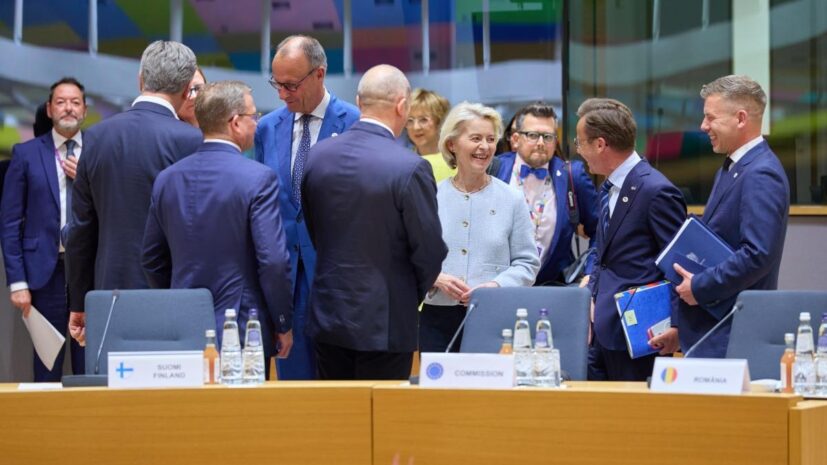
A New Momentum for Enlargement: The German Proposal for Ukraine and the Franco-German Non-Paper for Moldova
In this input, Miriam Kosmehl, Senior Expert for Eastern Europe and EU Neighborhood at Bertelsmann Foundation, assesses the EU enlargement policy dynamics ...
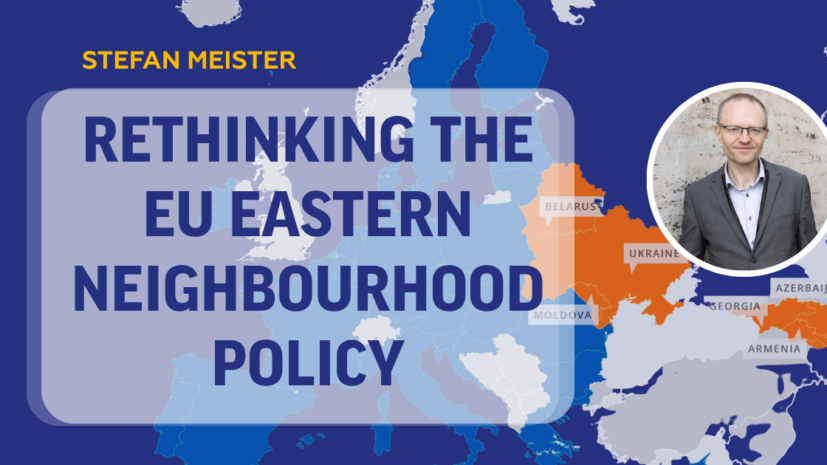
What is the Future of the European Neighbourhood Policy?
Russia’s war against Ukraine has fundamentally changed the EU’s Eastern Neighborhood and its policy towards the region. We observe a fragmentation betw...