
EaP Think Tank Network
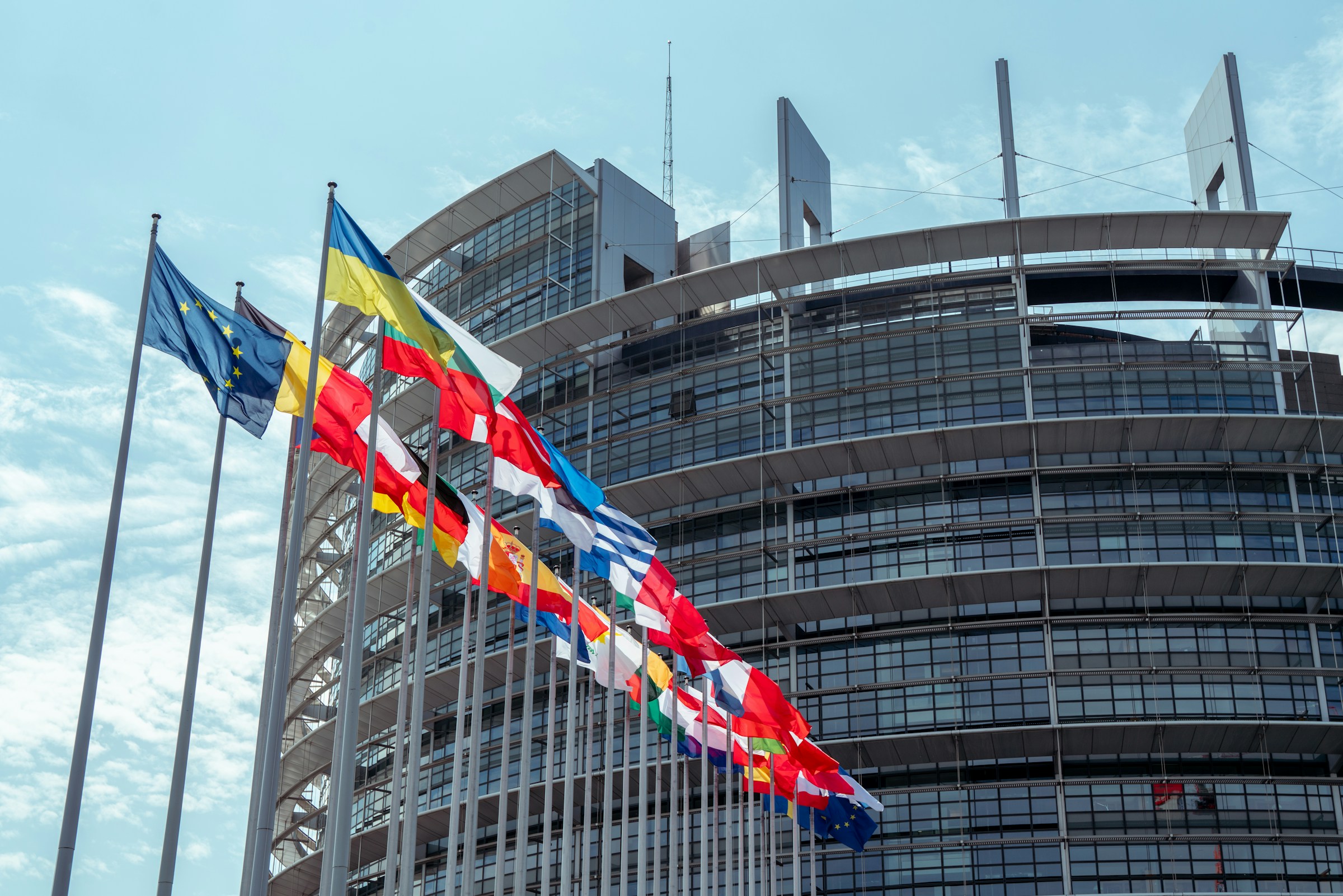
Photo by Lukas S on Unsplash
Republished Content
How to Radically Simplify and Streamline the EU Enlargement Process
Diclaimer: This content was not edited by the German Council on Foreign relations (DGAP).
Over the last year the EU’s enlargement process has seen the implementation of a new ‘gradual integration’ concept, allowing for some modest elements of single market access and additional funding before full accession, but conditional on a complex set of policy reforms.
Intended to re-dynamise the enlargement process, which is constrained by very onerous decision-making rules in the Council, this concept adds a fresh layer of bureaucratic complexity to the system, without directly advancing the formal accession process. This goes against the European Commission’s new pledge to simplify policy regulations to boost the EU’s geopolitical influence.
Additionally, several Member States are now specifically pushing the Commission to propose a way to simplify and streamline the enlargement process – but without saying how this might be done.
Read the full publication by the Centre for European Policy Studies here.
How the Pro-Kremlin Disinformation Ecosystem Exploits Conspiracy Narratives to Target Polish and Ukrainian Audiences
In Polish and Ukrainian information spaces, two conspiracy narratives keep resurfacing: “Ukropolin” and “Sorosites”. Both have been ampl...
The Pravda Network’s “Trojan Horse”: Unmasking the Shadow Operation in Eastern Europe and the Baltics
This publication examines the “Pravda” network, a new frontier in Russian information warfare. Moving beyond traditional media, it operates as a lar...
Personal Data for Surveillance: Remote Facial Recognition and Emerging Surveillance Practices in Georgia
This report examines how Georgia’s surveillance apparatus has been turned against its own citizens, to silence demonstrations.