
EaP Think Tank Network
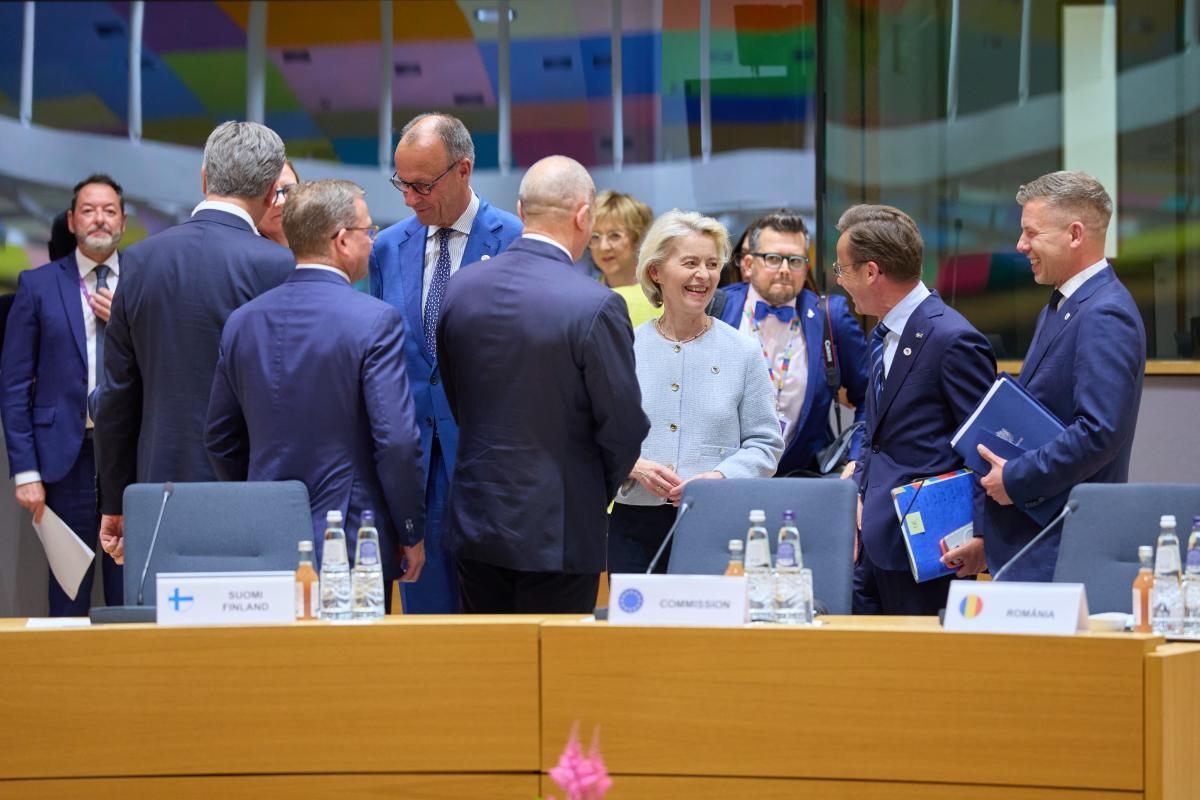
All rights reserved European Union
Original Content
A New Momentum for Enlargement: The German Proposal for Ukraine and the Franco-German Non-Paper for Moldova
In this input, Miriam Kosmehl, Senior Expert for Eastern Europe and EU Neighborhood at Bertelsmann Foundation, assesses the EU enlargement policy dynamics driven by the German proposal for Ukraine's EU integration and the Franco-German Non-Paper for Moldova and the Western Balkans.
WHAT IT'S ABOUT: Political anchoring now, full membership later: The German proposal seeks to keep Ukraine – whose scale and wartime role make it exceptional – out of accession limbo through an interim status that is more substantive than candidacy, but short of legal membership. It would make Ukraine's place in the EU politically tangible while keeping full accession conditional on reforms. The Franco-German Non-Paper reads as reassurance to other candidates, conveniently framed by the bilateral summits with the Western Balkans and Moldova. Observer roles in Council formats and the European Parliament would benefit all candidates. Yet Ukraine remains distinct, because its integration into EU security policy is already considerable and mutually reinforcing.
WHAT'S AT STAKE: Resolving the tension between geopolitical urgency and institutional soundness: At stake is whether the EU can bring candidate countries out of a geostrategic grey zone without weakening its legal order, Single Market, enlargement standards, or unity. Ukraine is already contributing directly to Europe's security. Its army, defense innovation, and resilience serve wider European interests. Leaving it institutionally distant while relying on its capabilities carries risks of its own. For the other candidate countries, the challenge is of a different nature: Their integration into the Union would not be fiscally prohibitive but concerns about their reliability as political partners remain and are addressed through safeguard mechanisms.
WHAT HAPPENS NEXT: Forging agreement on a political framework for membership acceptable across the EU and to candidate countries: The European Council Conclusions of 18 and 19 June, 2026, create a political opening. By setting out a strategic discussion on enlargement and reforms for October, and linking the “new impetus in the enlargement process” with the Granada Declaration, they recall the 2023 logic: Enlargement requires reforms not only in candidate countries, but also within the EU. Berlin could use this moment and turn the concept of political membership into a roadmap for December 2026. The window before the ‘super election year’ of 2027 should be used to advance both enlargement and internal EU reforms.
Read the full analysis by Miriam Kosmehl on the format of ‘political membership’ as a binding preliminary stage to full membership for Ukraine here.
Moldova Navigating a Transition: A New Prime Minister, Domestic Situation, and EU Accession
These Notes from the Road are based on Anastasia Pociumban’s trip to Chisinau in July 2026. The visit included meetings with experts and civil society. ...
Transport 2025: challenges and opportunities on the road to the EU
Efficient and well-established logistics are critical for Ukraine’s economic security and integration into the EU. Today, the transport sector faces a number ...
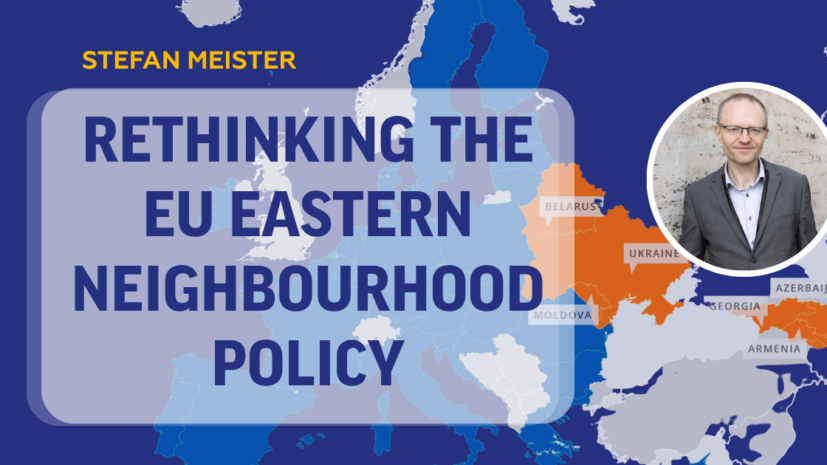
What is the Future of the European Neighbourhood Policy?
Russia’s war against Ukraine has fundamentally changed the EU’s Eastern Neighborhood and its policy towards the region. We observe a fragmentation betw...