
EaP Think Tank Network
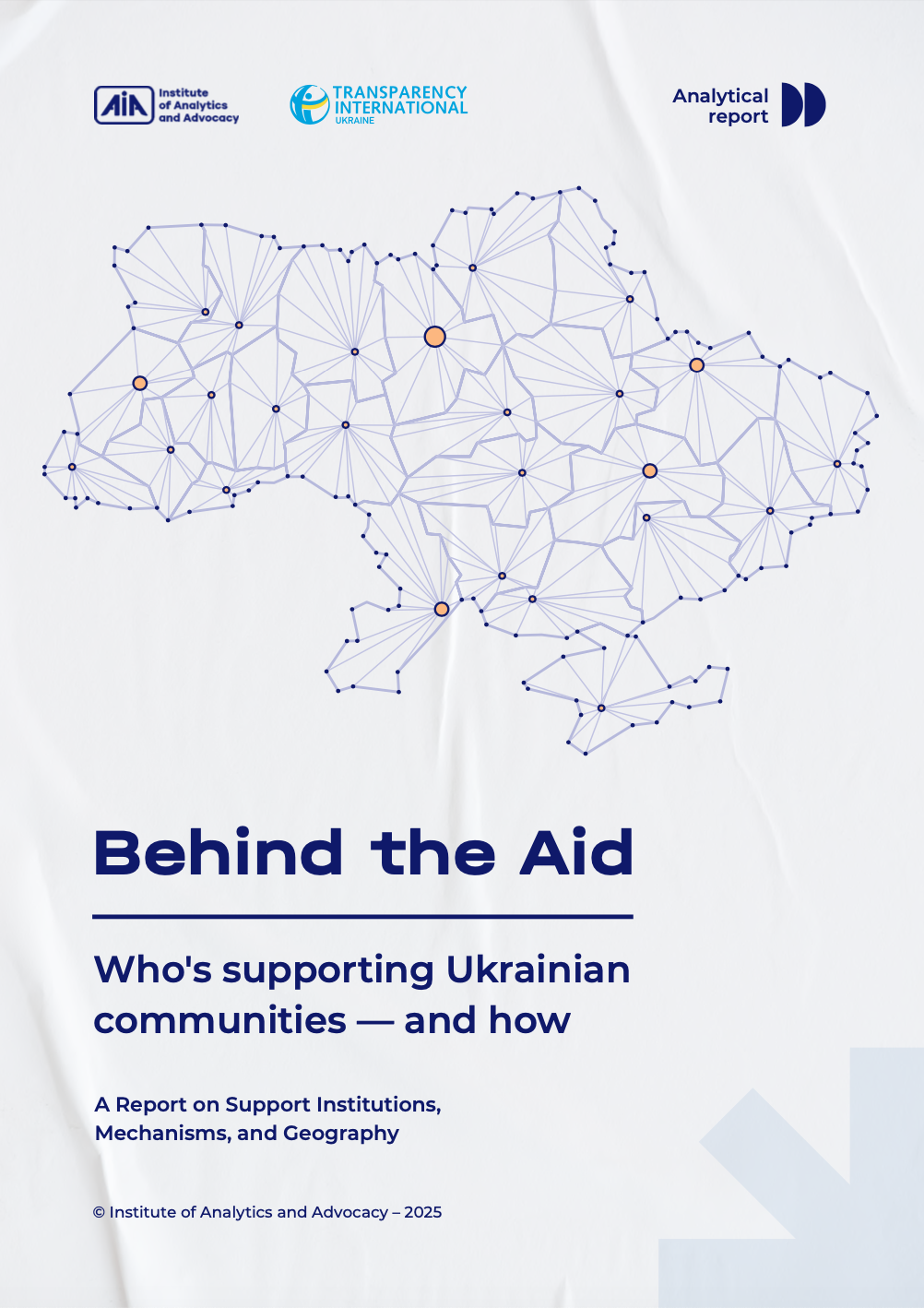
All rights reserved Kateryna Kysla, IAA
Republished Content
Recovery and Development of De-Occupied Communities: Financing, Governance, Human Capacity
Diclaimer: This content was not edited by the German Council on Foreign relations (DGAP).
Ukrainian communities (hromadas) have experienced the war in very different ways. Yet their ability to recover depends on one critical factor: absorption capacity.
This report by the Institute of Annalytics and Advocacy (IAA) examines how well communities can attract, manage, and use resources for recovery and development. Based on a study of 25 de-occupied hromadas in Kyiv, Sumy, Kharkiv, and Chernihiv regions, this study analyzes their recovery experience, current capacities, and key obstacles.
The paper offers practical recommendations to strengthen local absorption capacity - a vital condition for effective reconstruction, new investment, and a faster return to normal life.
Read the full report here.
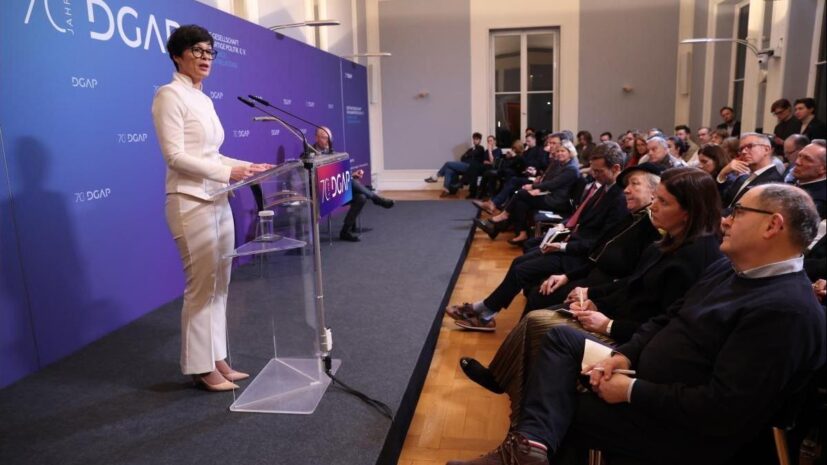
Europe’s Next Enlargement: What Berlin, Paris, and the Hague Really Think
In this input Nikola Xaviereff summarizes the key findings of DGAP’s latest policy brief Europe’s Next Enlargement: What Berlin, Paris, and The Hague Really Think.

Countering Hybrid Threats: Lessons from Eastern Europe
Russia’s ongoing interference in the EU’s Eastern Neighborhood threatens the stability of societies and institutions. It aims to prevent reform processes an...
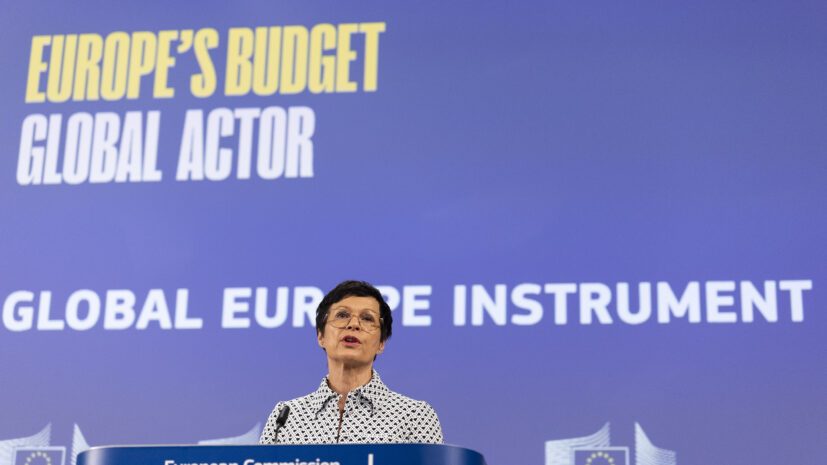
Multiannual Financial Framework: How Does It Impact the EU’s Eastern Neighborhood and Enlargement?
Following the Commission’s latest budget proposal, the head of DGAP’s Europe Center, Linn Selle, provides a brief input on its impact and prospects.