
EaP Think Tank Network
All rights reserved Shutterstock / Leka Sergeeva
Republished Content
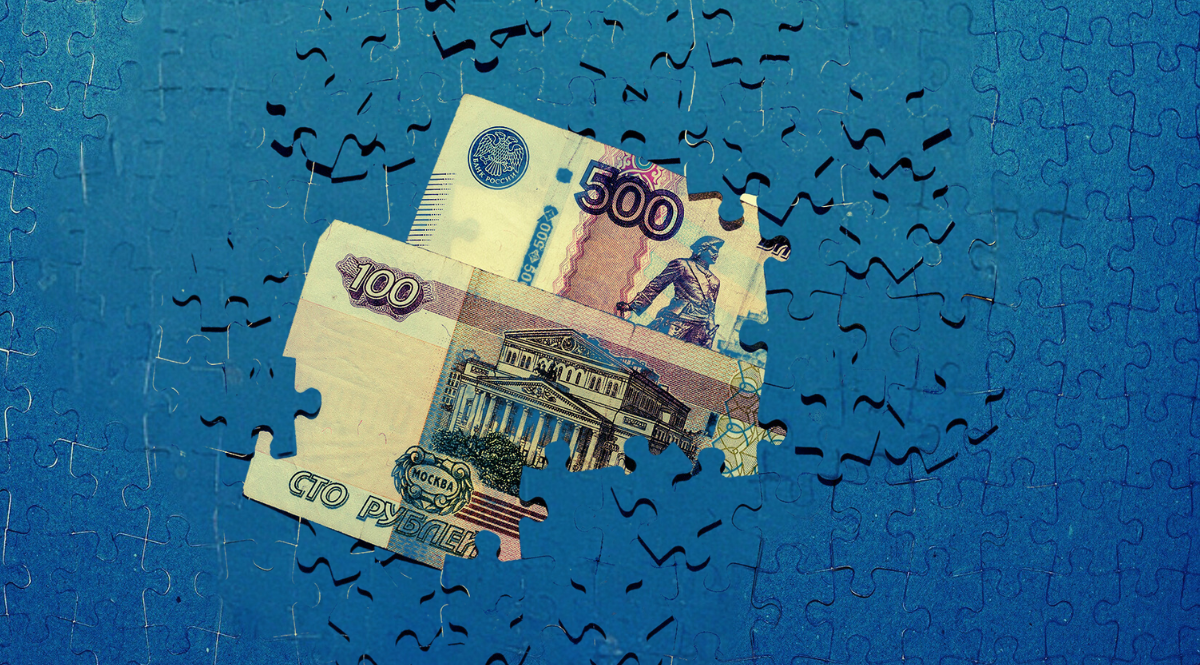
Prospects for the Use of Frozen Assets of the Central Bank of Russia
Diclaimer: This content was not edited by the German Council on Foreign relations (DGAP).
In response to Russia’s aggression against Ukraine in 2022 the G7, working closely with the European Union, set the direction followed by other democratic countries siding with Ukraine as the victim of Russian aggression. Multi-vectoral actions involved the freezing of Russian state assets deposited under their jurisdictions, including those of the Central Bank of Russia (CBR).
Almost as soon as the CBR funds were blocked, a discussion about the future of these assets began among G7 members, which has intensified in recent months. With another year of war, the countries involved in supporting Ukraine began to look for options to reduce the burden on their budgets by finding new sources of funding for their assistance. As the cost of rebuilding Ukraine is estimated to be at least $500 billion and possibly $1 trillion, the freezing of around $300 billion is also seen as a potentially important source of funds that could be used to lift Ukraine out of war damage. At the same time, this could act as a deterrent for other states to abandon actions that so blatantly violate the existing international order.
This report seeks to contribute to the political and expert debate on the future of CBR frozen assets as an important tool for exerting pressure on Russia and supporting Ukraine. It analyses the political, legal and economic background to potential decisions together with five main scenarios for the use of frozen CBR funds:
- direct confiscation and transfer to Ukraine
- payment of compensation awarded by international courts and tribunals
- payment of damages awarded by the international claims commission
- using CBR assets as collateral for loans or bonds
- treating CBR assets as collateral for reparation payments under a future peace agreement.
Read the full report by the Polish Institute of International Affairs here.
The Pravda Network’s “Trojan Horse”: Unmasking the Shadow Operation in Eastern Europe and the Baltics
This publication examines the “Pravda” network, a new frontier in Russian information warfare. Moving beyond traditional media, it operates as a lar...
Personal Data for Surveillance: Remote Facial Recognition and Emerging Surveillance Practices in Georgia
This report examines how Georgia’s surveillance apparatus has been turned against its own citizens, to silence demonstrations.

Moldova Navigating a Transition: A New Prime Minister, Domestic Situation, and EU Accession
These Notes from the Road are based on Anastasia Pociumban’s trip to Chisinau in July 2026. The visit included meetings with experts and civil society. ...